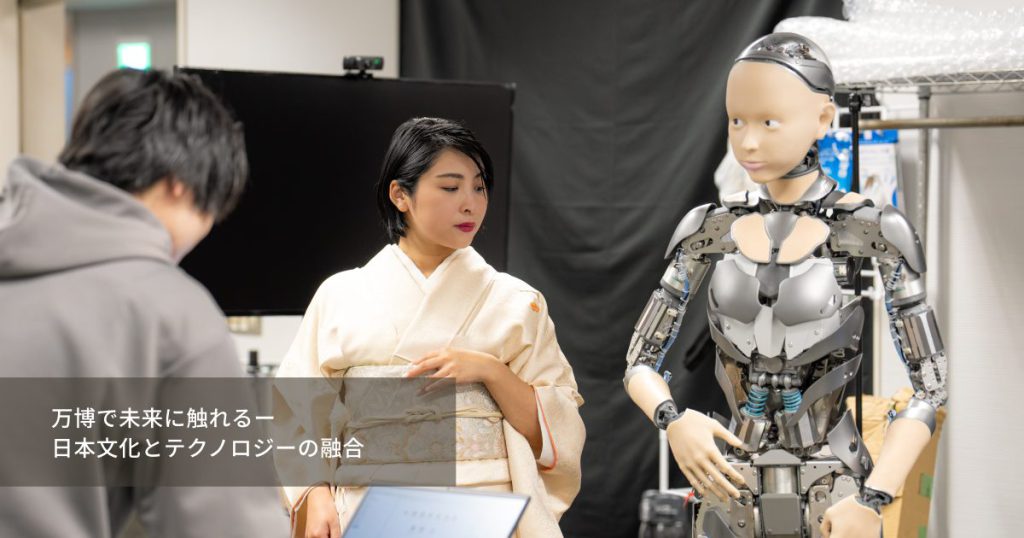
Event Report, Part 1: Design for Humanity—Human-Centered Design in the AI Era
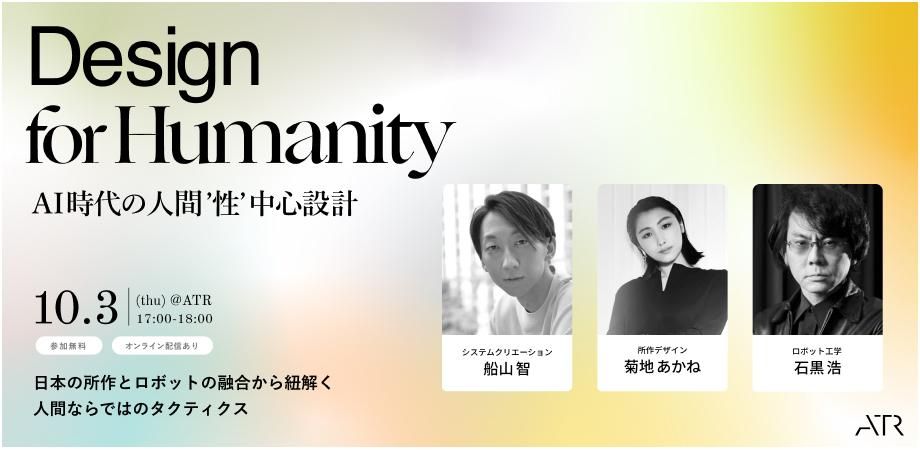
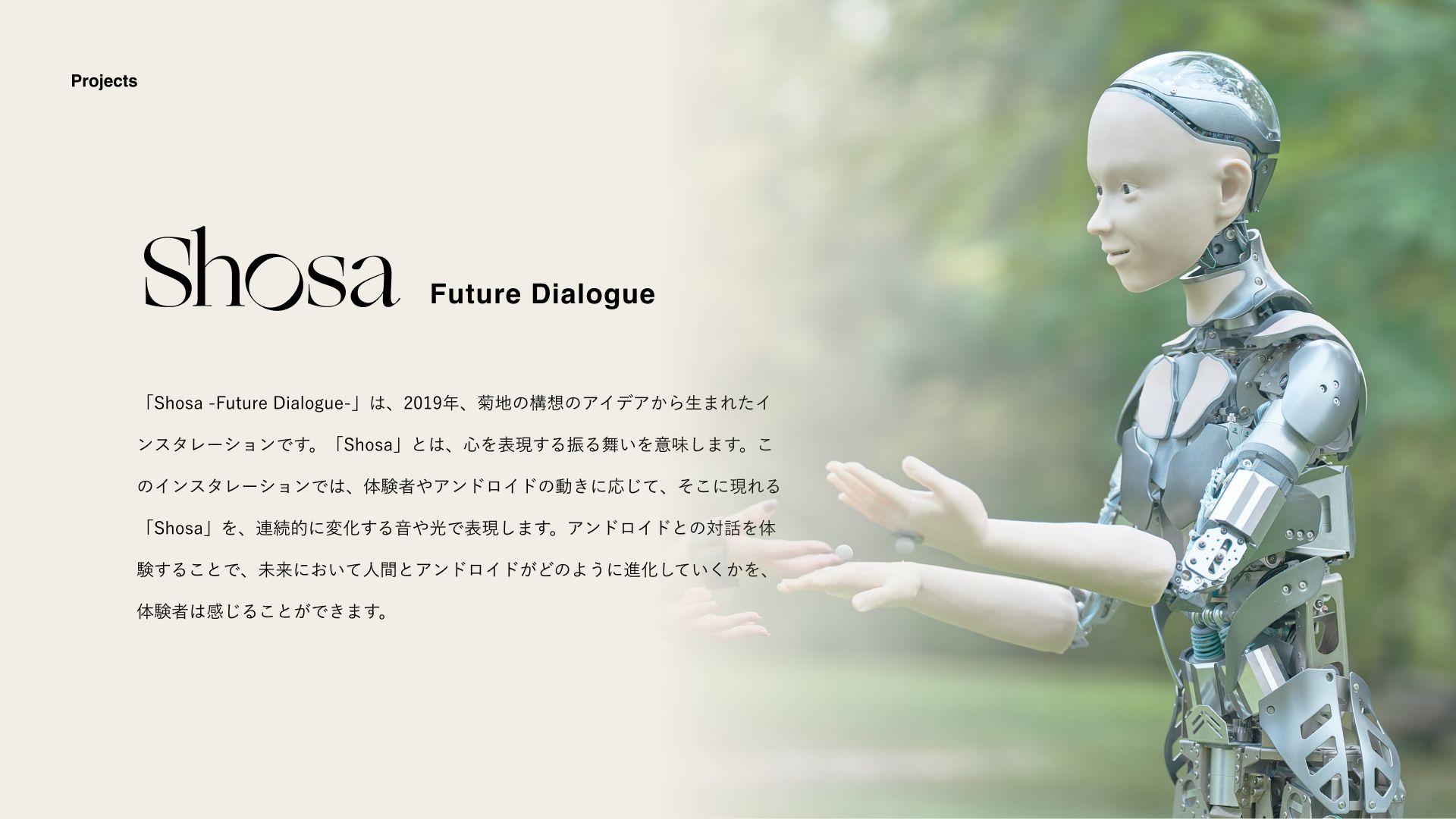
On Thursday, October 3, 2024, ATR (International Telecommunications Research Institute, Inc.) and Creative Studio KiQ co-worked “Shosa: Future 。ue” project, “Design for Humanity” was held in Kyoto. This project was launched in 2019 from the idea of Akane Kikuchi, the representative of KiQ. It is a theme of implicit communication that connects the body and mind that wasd in Japanese culture, and harmonizes itself with the other party. This event was intended to explore how AI and robots should incorporate their work into the design.
FutureSite Mapue
http://www.geminoid.jp/projects/shosa/
Futureue
https://www.youtube.com/watch?v=IvVypHfrDso&t=13s
Event Background and Objectives
In order for human and AI to build the future together, it is necessary not only to pursue technology, but also to define elements such as humanity and sensitivity. In this event, AI was implemented for the purpose of how to get of the discomfort and how to express humanity when recreating human behavior and work.

Points of discussion with
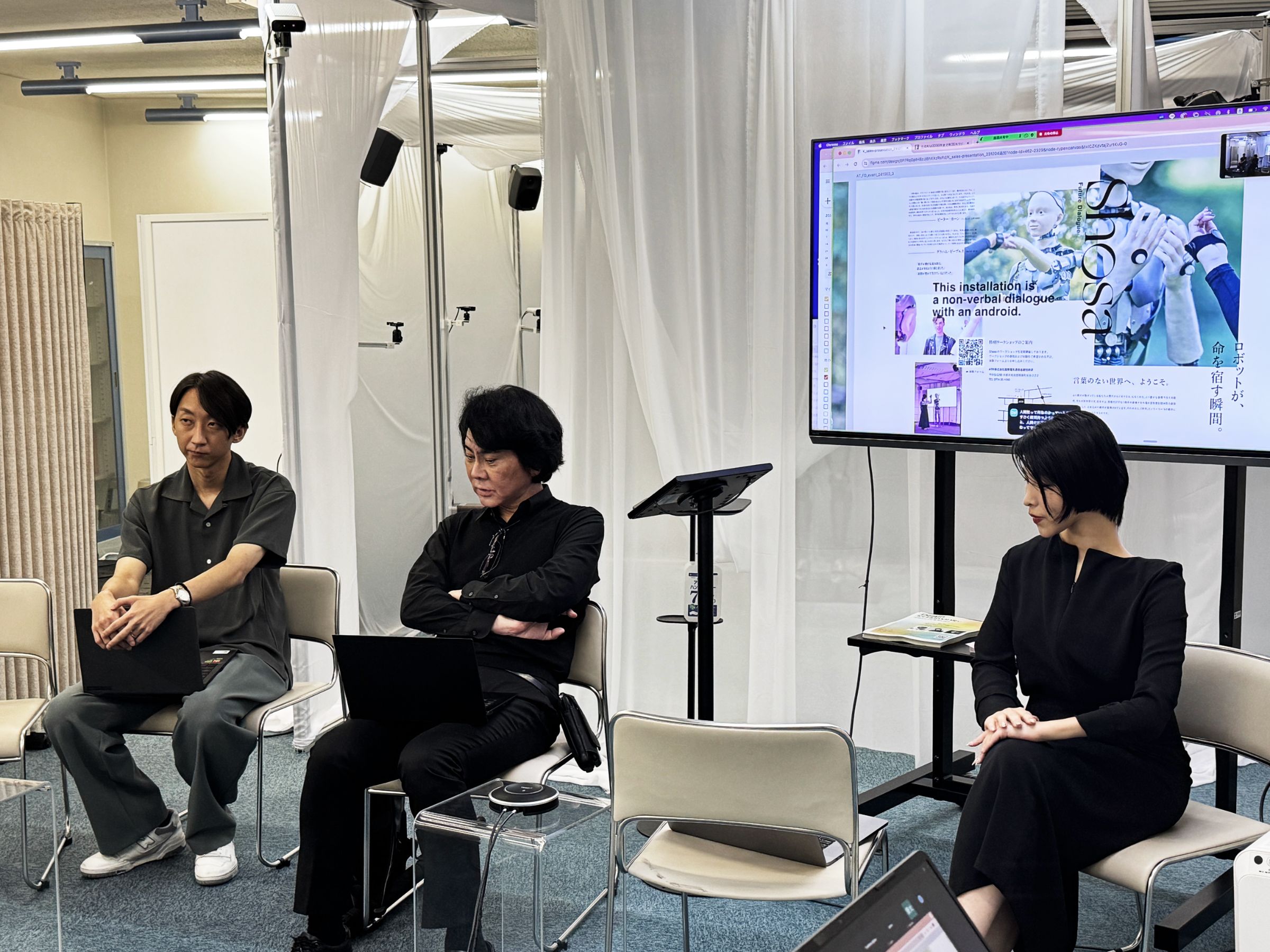
Dr. Hiro Ishiguro, the leading robotics researcher, Tomo Funayama, and Kikuchi, the project developer. Prof. Ishiguro highlighted the technical issue of how robots can feel humanity, not only the difference between structures and materials, but also the interaction that people can communicate with their hearts.
On the other hand, Mr. Funayama said, “The design that incorporates humanity is required while eliminating human errors,” he said, “It is important to leave ambiguity and margin in robotics. Kikuchi also emphasized that design based on Japanese cultural values is the key to creating harmony between humans and AI.
In addition, Kikuchi explained the importance of harmonization between technology and humanity, saying, “It’s not just a function, it’s an important key to future robotics.”
This is the second article.